
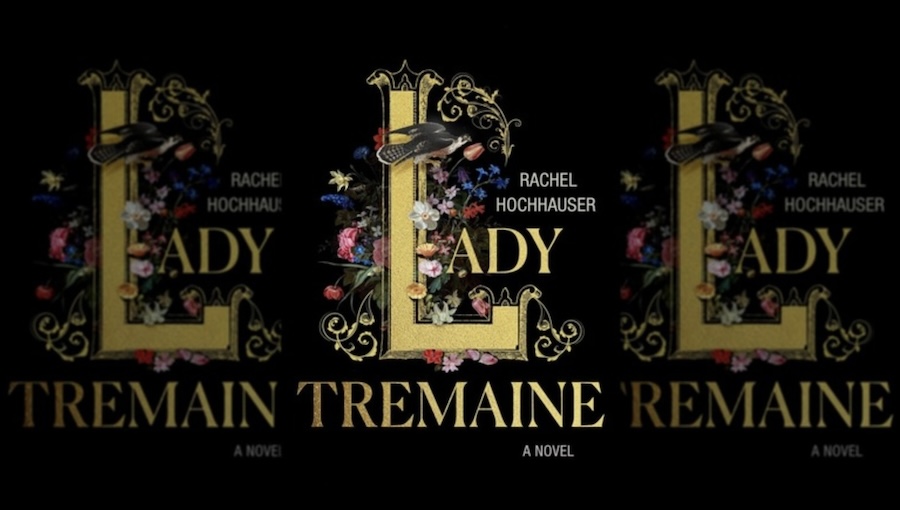
Generations of fairy tale lovers truly believe that Cinderella’s stepmother was a cold, heartless woman incapable of loving the child her second husband brought into their marriage. But what if she was really a strong individual fighting to protect all three girls from the dangers of poverty in a patriarchal society?
Lady Etheldreda Verity Isolde Tremaine Bramley experienced a love match with her first husband (father of her two daughters), but his early death (and disapproving family) exposed her to the harsh reality that women must marry well to garner protection. Now that her biological daughters, Matilda and Rosie, and her delicate, impractical stepdaughter Elin have reached marriageable age, Ethel’s primary goal is finding them wealthy husbands before the truth of their financial difficulties becomes clear. A royal ball to pick the prince’s bride seems ideal to marry off one of the three, but disturbing secrets and past histories cause Lady Tremaine to wonder if the four women should focus on guarding each other rather than using uncertain marriage to survive.
Rachel Hochhauser creates a feminist retelling of Cinderella with her debut novel, Lady Tremaine. Ethel’s moral compass throughout the story is motherly love and a bone-deep desire to prevent the young women in her care from being sacrificed to a man’s whims. Rather than anger and hatred of her stepdaughter, Hochhauser writes a woman struggling to connect with her second husband’s delicate, traumatized child who retreats into courtly etiquette to avoid processing her emotions after losing her mother. Her own daughters are pushed to become practical, self-sufficient, and indomitable to survive while she navigates the thorny landscape of being a penniless noble. Which love matters most in the world: romantic entanglement or the security of family having your back?
I don’t normally pick up retellings of classic stories rewritten from the villain’s point of view. Fairy tale villains don’t need extensive backstories because they’re archetypes, not fleshed out characters, meant to teach a lesson to readers about the story’s moral; however, the description of Lady Tremaine piqued my interest. It’s not couched as a redemption tale for a misunderstood character; it’s definitely a complete reframing of Cinderella, where waiting for princes to save the main characters is eschewed in favor of teaching them to save themselves.
Rachel Hochhauser uses the Cinderella frame to explore dark themes and focused on a morally grey protagonist, so this isn’t the retelling to pass to a younger fan of the classic Disney movie. Older teens and adults will walk away with some provocative questions, though, and I think it’s a powerful deprogramming of princess culture.
Lady Tremaine says it’s a variation on the classic fairy tale, Cinderella, but, in my opinion, it is so much more. If you love books about strong women claiming their place in a world that doesn’t value them fully, you need to check this out. It will leave a mark on you; it definitely did on me.
5 Charming Tableaus to Attract a Nobleman out of 5
Creative Team: Rachel Hochhauser (writer)
Publisher: St. Martin’s Press
Click here to purchase.
